
Blog

Oakland, CA – How a New PVC Roof Can Increase Your Home’s Value Quickly

Oakland, CA – How a New PVC Roof Can Increase Your Home’s Value Quickly

When homeowners in Oakland and throughout the SF Bay Area look for upgrades that deliver quick returns, roofing is often at the top of the list. Among today’s most effective options, PVC roofing stands out for its energy efficiency, durability, and modern appeal. At Manada Roofing, Inc., we regularly help homeowners across the Bay Area—including Hayward, San Jose, San Leandro, San Mateo, Los Altos, Palo Alto, Atherton, and surrounding cities—use PVC roofing to strategically increase home value without overcomplicating the renovation process.

PVC, is a single-ply roofing membrane commonly used on flat and low-slope roofs. While it has long been popular for commercial buildings, it’s increasingly chosen for residential properties where energy efficiency and long-term performance matter.

Why Roofing Impacts Home Value So Quickly

A roof is one of the first things buyers and appraisers evaluate. An aging or damaged roof can delay sales, reduce offers, or require costly concessions. On the other hand, a new roof signals that a home has been well maintained—and that major expenses won’t be needed anytime soon.

In competitive Bay Area real estate markets, a recently installed PVC roof can be a strong selling point that sets your home apart.

Energy Efficiency That Buyers Notice

One of the most significant advantages of PVC roofing is its reflective surface. PVC membranes are designed to reflect sunlight rather than absorb it, keeping indoor spaces cooler during warmer months. In Oakland and other sun-exposed Bay Area cities, this translates into:

  • Lower indoor temperatures
  • Reduced reliance on air conditioning
  • Decreased energy bills

Energy-efficient upgrades are increasingly crucial to buyers, especially those conscious of long-term utility costs. A PVC roof checks that box immediately.

Durability That Protects Long-Term Value

PVC roofing is engineered to withstand many of the environmental factors common in the SF Bay Area. It resists:

  • UV radiation
  • Moisture and ponding water
  • Mold and algae growth
  • Tears and punctures

When properly installed, a PVC roof can last 20–30 years with minimal maintenance. Buyers appreciate roofing systems that won’t need attention anytime soon, and that confidence often translates into stronger offers.

A Clean, Modern Look That Appeals to Buyers

Curb appeal isn’t limited to siding and landscaping. A clean, uniform roof surface adds to a home’s overall appearance—especially on flat or contemporary-style homes.

PVC roofing delivers a sleek, modern aesthetic that aligns well with updated architecture found throughout Oakland, the Peninsula, and surrounding Bay Area communities. For buyers looking for move-in-ready homes with modern upgrades, a PVC roof reinforces that perception.

Faster Installations, Faster Results

Compared to more complex roofing systems, PVC roofs are relatively quick to install. That means homeowners planning to sell don’t have to wait months to see results. Once installed, the value boost is immediate—making it an ideal upgrade for sellers on a timeline.

Additionally, PVC roofing can often be installed with minimal disruption, which is especially helpful for occupied homes.

Added Appeal Through Warranties and Inspections

A professionally installed PVC roof typically comes with manufacturer warranties and quality guarantees. These warranties provide buyers with peace of mind and reduce concerns during inspections.

In fast-moving markets like Oakland and the greater Bay Area, fewer inspection objections can mean smoother closings and stronger negotiating positions.

Serving Oakland and the Entire SF Bay Area

Manada Roofing, Inc. proudly installs and services PVC roofing systems throughout the SF Bay Area—not just the East Bay. From Oakland and Hayward to Palo Alto, Atherton, Los Altos, San Mateo and nearby cities, our team understands local building styles, climate demands, and buyer expectations.

Manada Roofing, Inc – Roofing Upgrades That Add Real Value

A new PVC roof is more than a replacement—it’s an investment that improves efficiency, appearance, and resale potential. Whether you’re preparing to sell or want to increase your home’s long-term value, PVC roofing offers fast, measurable benefits.

Contact Manada Roofing, Inc. today to schedule a consultation and find out how a new PVC roof can quickly increase your home’s value across the Bay Area.


Oakland, CA – Roofing Company Discusses How Weather & Seasons Affect Your Roof

Oakland, CA – Roofing Company Discusses How Weather & Seasons Affect Your Roof

Oakland, Ca Roofing Company Discusses How Weather & Seasons Affect Your Roof CompressedYour roof is constantly exposed to the elements. In a region like the Bay Area, where weather shifts from warm sunshine to cool coastal moisture and seasonal storms, those conditions can take a significant toll over time. At Manada Roofing, Inc., we help Oakland homeowners understand how local weather patterns influence roof performance so they can stay ahead of damage and prolong their roof’s lifespan.

Whether you have asphalt shingles, tile, metal, or a flat roofing system, seasonal weather can create different types of stress on roofing materials. Knowing what to expect—and when to schedule maintenance—helps ensure your roof stays strong year-round.

How Sun and Heat Impact Your Roof

The Bay Area gets plenty of sunny days, and over time, UV exposure can cause roofing materials to deteriorate.

Effects of Sun Exposure:

  • Asphalt shingles lose granules and become brittle
  • Tile and metal roofs experience surface fading
  • Sealants and adhesives can weaken
  • Roof temperatures rise significantly, affecting attic heat levels

Prolonged heat can accelerate aging, especially on darker roofs. Proper attic ventilation is one of the best defenses, helping reduce temperature buildup and prevent premature wear.

How Moisture and Humidity Affect Roofing Materials

Even though Oakland doesn’t experience tropical humidity, coastal moisture and fog contribute to roofing challenges.

Moisture Risks Include:

  • Mold or mildew forming on shingles
  • Wood decking swelling or warping
  • Moisture becomes trapped in poorly ventilated attics
  • Algae growth is creating dark streaks

Tile and metal roofs handle moisture well, but their underlayment still requires periodic inspection. Homeowners should keep an eye out for discoloration, indoor dampness or musty smells, or visible roof staining.

The Impact of Rain and Storms

Seasonal rainstorms can expose weaknesses in any roofing system, especially older roofs or those lacking proper maintenance.

Storm Damage Can Include:

  • Leaks around flashing, vents, or skylights
  • Clogged gutters are causing water backup
  • Wind-driven rain enters beneath shingles or tiles
  • Standing water on flat roofs leads to membrane deterioration

After significant storms, scheduling an inspection helps identify issues before they become costly repairs.

Wind and Storm Season Challenges

Strong winds can loosen shingles, push debris across the roof surface, and damage flashing. Over time, repeated exposure to wind makes roofing materials more vulnerable.

Tile roofs are heavy and resist wind well, but individual tiles can crack if struck by flying debris. Metal roofs have excellent wind resistance, while asphalt shingles vary based on quality and installation.

Trimming trees near your property reduces the risk of branches causing impact damage during storms.

Seasonal Temperature Fluctuations

While the Bay Area doesn’t experience extreme freezes, seasonal temperature shifts still cause roofing materials to expand and contract. This movement can gradually:

  • Loosen fasteners
  • Create small surface cracks
  • Lead to separation in seams or flashing

These temperature-related changes are often subtle but accumulate over time, especially on older roofs.

How to Protect Your Roof Through Every Season

Manada Roofing, Inc. recommends these maintenance steps:

  • Bi-annual roof inspections: One in spring and one in fall
  • Gutter cleaning: Especially before rainy seasons
  • Ventilation checks: Ensuring heat and moisture can escape
  • Prompt repairs: Addressing minor problems before they grow
  • After-storm evaluations: Spotting damage early prevents long-term issues

Proactive care is far more affordable than emergency repairs.

Manada Roofing, Inc – Oakland’s Trusted Roofing Experts

Weather and seasonal changes will always influence your roof’s health, but with proper maintenance and timely repairs, you can significantly extend its lifespan. At Manada Roofing, Inc., we help Oakland homeowners stay ahead of weather-related roof damage with reliable inspections, expert repairs, and high-quality replacements.

Contact Manada Roofing, Inc. today to schedule a seasonal roof inspection and keep your home protected through every type of Bay Area weather.


San Leandro, CA – The Lifespan of Different Roof Types from Asphalt, Metal & Tile

San Leandro, CA – The Lifespan of Different Roof Types from Asphalt, Metal & Tile

San Leandro, Ca The Lifespan Of Different Roof Types From Asphalt, Metal & Tile CompressedA roof is one of the most important long-term investments you’ll make as a homeowner. Whether you’re considering a replacement or simply planning, understanding how long different roofing materials last can help you make the best choice for your home and budget. At Manada Roofing, Inc., we work with a variety of roofing systems and know firsthand how each performs in San Leandro’s warm summers, mild winters, and occasional storms.

Asphalt shingles, metal roofing, and tile roofing all offer substantial benefits—but their lifespans vary significantly. Below, we outline what homeowners should expect from each type and what factors influence longevity.

Asphalt Shingle Roofing Lifespan

Average Lifespan: 15–30 Years

Asphalt shingles are the most common roofing material for residential homes because they’re cost-effective, versatile, and easy to install. Their lifespan can vary depending on the quality of the shingles and the level of maintenance they receive.

Standard 3-Tab Shingles:
These typically last 15–20 years. They offer basic protection but are thinner and less durable than newer shingle types.

Architectural (Dimensional) Shingles:
These thicker, more durable shingles last 20–30 years. They resist wind, moisture, and heat more effectively than 3-tab shingles.

Impact-Resistant or Premium Shingles:
Designed for superior durability, these can last even longer, especially when installed with proper ventilation.

What Affects Asphalt Shingle Lifespan?

  • Prolonged sun exposure
  • Poor attic ventilation
  • Moss or algae growth
  • Heavy winds or storm damage

With regular maintenance and inspections, shingles on a San Leandro home typically reach the higher end of their lifespan.

Metal Roofing Lifespan

Average Lifespan: 40–70+ Years

Metal roofing has become increasingly popular because of its strength, energy efficiency, and long lifespan. It performs exceptionally well in Bay Area climates thanks to its excellent heat reflection and moisture resistance.

Types of Metal Roofing:

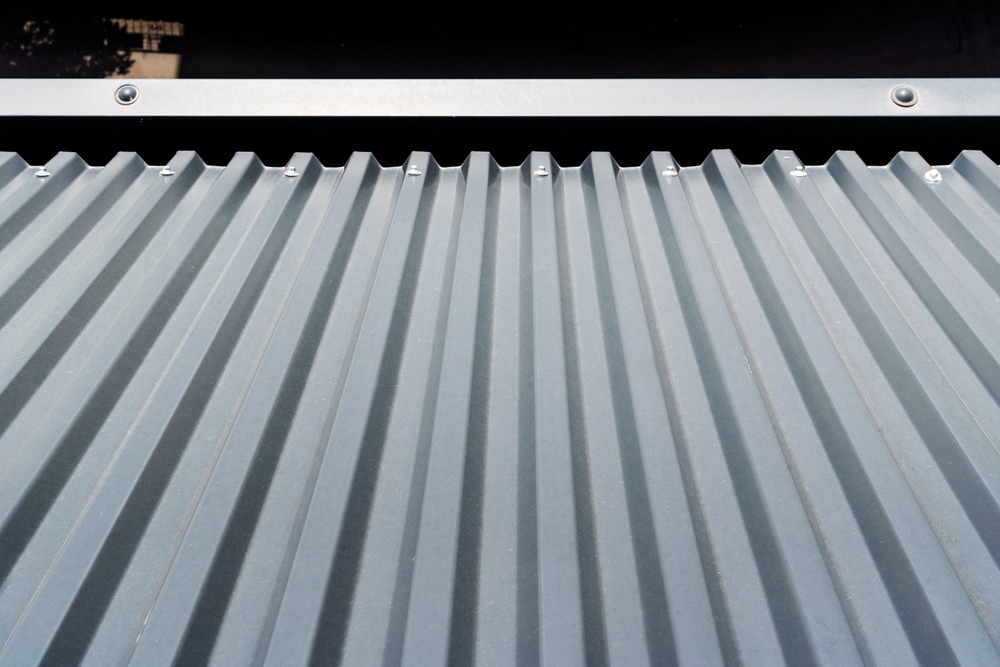
  • Steel: 40–60 years
  • Aluminum: 50+ years
  • Copper or Zinc: 70+ years

Metal is highly resistant to cracking, warping, mold, and fire. It’s also lightweight, making it an excellent option for both new builds and roof-over installations.

What Affects Metal Roof Lifespan?

  • Salt air exposure (closer to the coast)
  • Quality of protective coating
  • Maintenance of flashing and fasteners

When properly installed by experts like Manada Roofing, Inc., a metal roof can last several decades with minimal upkeep.

Tile Roofing Lifespan

Average Lifespan: 50–100+ Years

Tile roofing—available in clay, concrete, and slate—offers unmatched longevity and beauty. It’s incredibly durable and resists fire, pests, and harsh weather. Many tile roofs last a century or more, making them one of the longest-lasting roofing options on the market.

Clay Tile:
Typically lasts 75–100 years due to its dense, weather-resistant composition.

Concrete Tile:
Lasts 50–75 years and offers excellent affordability and strength.

Slate Tile:
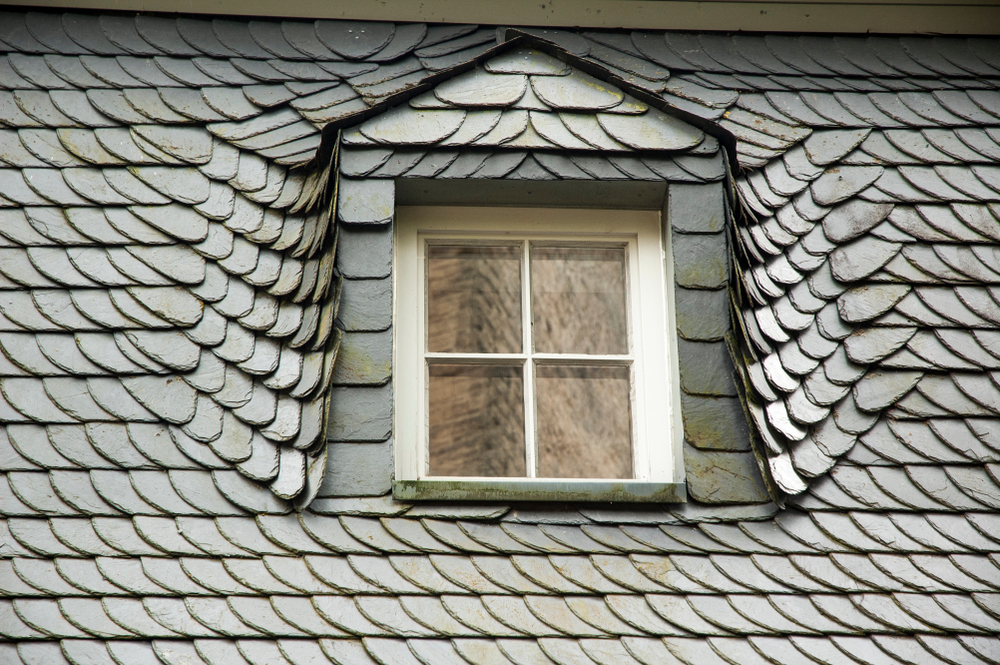
Known as the premium option, slate can last well over 100 years.

What Affects Tile Roof Lifespan?

  • Broken or slipped tiles
  • Underlayment deterioration over time
  • Structural load considerations

While the tiles themselves last for decades, the underlayment may need to be replaced every 20–30 years to maintain full waterproofing.

Which Roof Type Should You Choose?

Asphalt Shingles: Best for affordability and simplicity
Metal Roofing: Ideal for energy savings and long-term durability
Tile Roofing: Perfect for homeowners seeking longevity and premium curb appeal

Your decision should take into account your budget, home style, climate, and long-term plans. The team at Manada Roofing, Inc. can evaluate your home and recommend the best option.

Manada Roofing, Inc – Helping San Leandro Homeowners Make Smart Roofing Investments

Every roofing material has strengths, but choosing the right one depends on your needs and expectations. Whether you’re planning a replacement or exploring long-term upgrades, our team provides expert guidance, quality installation, and dependable service.

Contact Manada Roofing, Inc. today to schedule a consultation and compare the best roofing lifespan options for your San Leandro home.


Castro Valley, CA – Roofing Company Discusses the Most Popular Shingle Colors

Castro Valley, CA – Roofing Company Discusses the Most Popular Shingle Colors

Composition Shingles Manada Roofing, Inc.At Manada Roofing, Inc., we know that a new roof does more than protect your home—it also defines your home’s look and personality. One of the most common questions we hear from Castro Valley homeowners is, “What color shingles should I choose?” While durability and material are key factors, color plays a significant role in both aesthetics and performance. The right shingle color can highlight architectural details, reflect your personal style, and even help manage your home’s temperature.

If you’re planning a roof replacement or upgrade, here’s a look at some of the most popular shingle colors and what makes them stand out in the Bay Area.

1. Classic Charcoal and Black

Timeless, elegant, and versatile—dark gray and black shingles remain a top choice for many homeowners. These colors provide a clean, polished look that complements most home styles, from traditional to modern. Charcoal tones pair exceptionally well with light-colored siding or brick, creating a striking contrast that adds depth and sophistication.

While darker shingles tend to absorb more heat, modern materials now include reflective technology that minimizes temperature buildup, making them practical even in the Bay Area’s warmer climates.

2. Warm Earth Tones

Browns, tans, and blended earth tones have grown in popularity thanks to their natural appearance. These colors harmonize beautifully with the surrounding California landscape and are ideal for homes with stone or wood exteriors.

Earth tones create a warm, welcoming aesthetic and blend seamlessly with the neutral color palettes often found in suburban neighborhoods. They’re especially effective for Craftsman-style and ranch homes typical in Castro Valley.

3. Cool Grays and Slate Colors

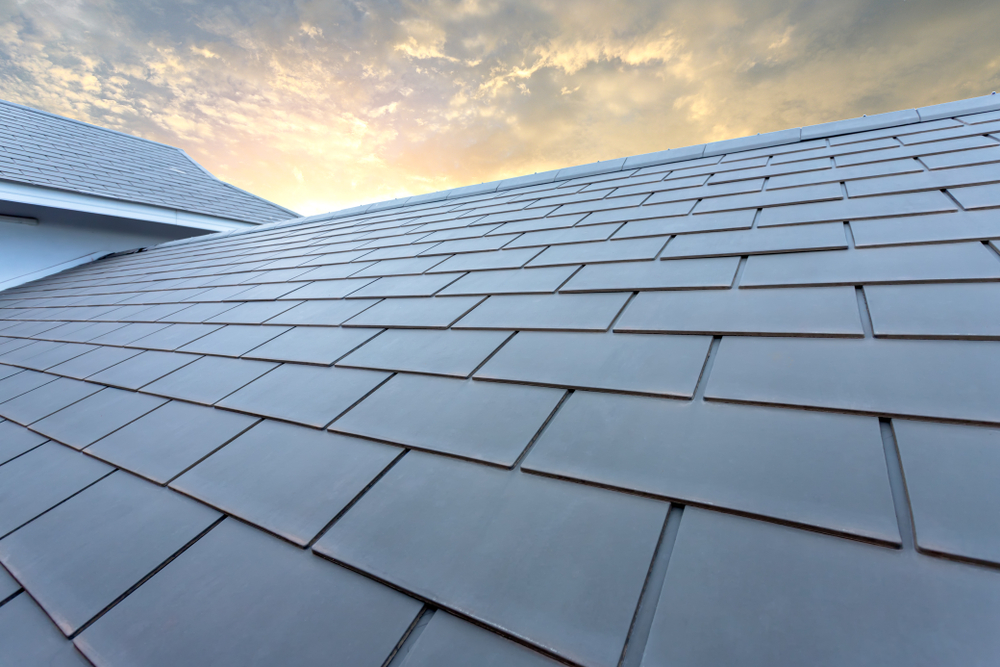
Light to medium gray shingles offer a contemporary, refined look that’s perfect for modern and transitional homes. These shades reflect heat more effectively than darker options, making them an excellent choice for energy efficiency. Slate-inspired tones also pair well with blue, white, or gray siding, adding a subtle, upscale finish to your home’s appearance.

Gray shingles are versatile enough to work across architectural styles—from coastal to contemporary—and are becoming a leading trend among Bay Area homeowners.

4. Soft Blues and Greens

For those who want a distinctive yet balanced look, soft blue and green shingles provide a unique aesthetic that feels fresh and coastal. These tones work beautifully with white or cream trim and can make a home stand out without looking too bold.

Green shingles, in particular, complement homes with natural surroundings or garden landscapes, adding a touch of character while blending with the environment.

5. Red and Terracotta Shades

Inspired by California’s Spanish and Mediterranean architecture, red and terracotta shingles are classic options that add warmth and charm. These vibrant colors pair beautifully with stucco exteriors, clay accents, or decorative tile details. While more specific in style, they create an unmistakable Bay Area look that never goes out of fashion.

Tips for Choosing the Right Shingle Color

  • Consider Your Home’s Style: Traditional homes look great with classic shades like charcoal or brown, while modern homes benefit from grays or slate tones.
  • Think About Climate: Lighter colors reflect heat, helping keep your home cooler in sunny conditions.
  • Factor in Curb Appeal: The roof makes up a large portion of your home’s exterior—choose a color that enhances your overall design.
  • Ask for Samples: Viewing color samples in natural sunlight gives you a better idea of how the final look will appear.

Manada Roofing, Inc – Helping Castro Valley Homeowners Choose the Perfect Roof

At Manada Roofing, Inc., we combine expert craftsmanship with personalized guidance to help homeowners select the right shingles for their property. From color selection to installation, we ensure every roof enhances both protection and curb appeal.

Contact Manada Roofing, Inc. today to schedule your consultation and explore the most popular shingle colors for your Castro Valley home.

San Leandro, CA – Flat Roof Maintenance Checklist for Commercial Business Owners

San Leandro, CA – Flat Roof Maintenance Checklist for Commercial Business Owners

Flat Roof Maintenance CheklistAt Manada Roofing, Inc., we know that your commercial roof is one of the most valuable assets protecting your business. For flat and low-slope roofing systems, regular maintenance isn’t optional—it’s essential. Without proper care, even minor issues like clogged drains or surface cracks can turn into major problems, leading to leaks, energy loss, and costly repairs.

Flat roofs are widespread in Bay Area commercial buildings because they’re practical and space-efficient. However, their design also makes them more susceptible to water pooling and debris buildup. That’s why we’ve put together this maintenance checklist to help San Leandro business owners keep their flat roofs in excellent condition year-round.

1. Schedule Routine Roof Inspections

At least twice a year—ideally in the spring and fall—have your flat roof inspected by a professional roofing company. Inspections should also be conducted after major storms, high winds, or heavy rain. A thorough inspection checks for cracks, punctures, worn seams, loose flashing, or membrane damage that may lead to leaks.

At Manada Roofing, Inc., our inspections include a detailed condition report and recommendations for maintenance or repairs to prevent minor issues from escalating.

2. Clear Debris and Clean the Surface

Leaves, branches, dirt, and trash can accumulate on flat roofs, blocking drains and creating areas where water pools. This standing water can degrade roofing materials and increase the risk of leaks. Regular cleaning helps maintain drainage and prevents unnecessary wear on the roofing membrane.

It’s essential to remove debris safely and avoid using sharp tools that could damage the surface. Many businesses schedule quarterly cleanings to stay ahead of this issue.

3. Check and Maintain Drainage Systems

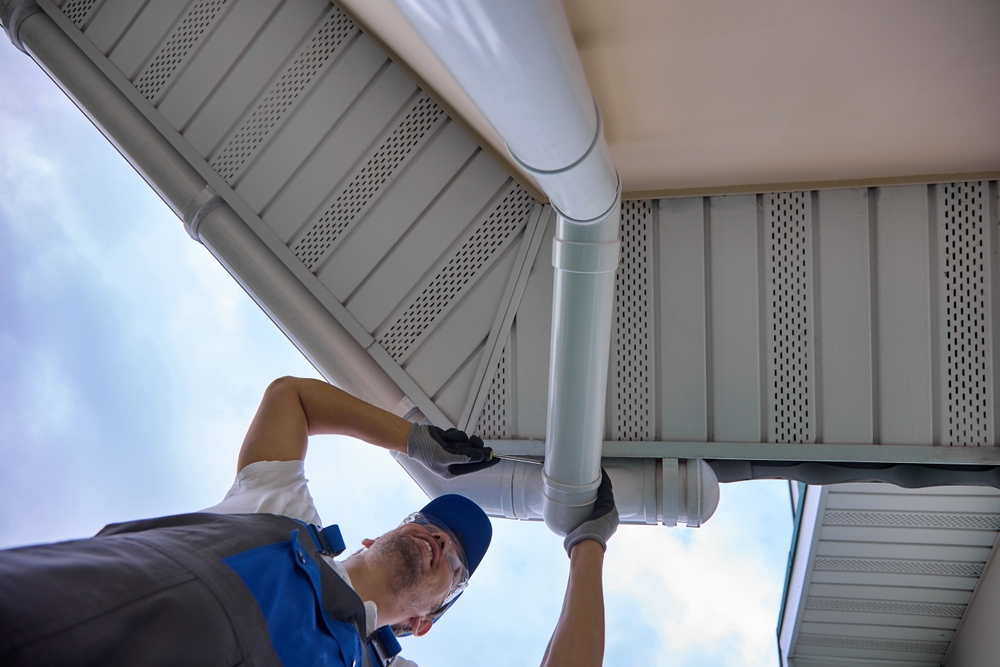
Proper drainage is crucial for flat roofs. Ensure all scuppers, gutters, and downspouts are clear and functioning correctly. Standing water, or “ponding,” is one of the leading causes of roof deterioration.

If you notice slow drainage or recurring pooling, it may indicate a clogged drain or uneven surface. A roofing professional can adjust slopes or install additional drains if necessary to prevent long-term water damage.

4. Inspect Flashing and Seals

Flashing protects seams, edges, and roof penetrations (like vents or HVAC units) from water infiltration. Over time, flashing can crack, separate, or lose adhesion. During your inspection, make sure all flashing and sealant areas are watertight.

Early detection of loose or damaged flashing can prevent leaks that might go unnoticed until they cause significant interior damage.

5. Monitor for Ponding Water

Even small areas of standing water can compromise your roof’s surface over time. Look for discolored patches, sagging sections, or signs of algae growth, all of which indicate poor drainage. Correcting these issues early can prevent structural damage and extend your roof’s lifespan.

6. Address Repairs Immediately

Minor issues can become expensive quickly. Cracks, punctures, or blistering in the membrane should be repaired promptly. Delaying maintenance can lead to leaks, insulation damage, and costly structural repairs. Partnering with an experienced commercial roofing company ensures that any needed repairs are completed correctly and efficiently.

7. Keep a Maintenance Log

Document all inspections, cleanings, and repairs. This record not only helps track your roof’s condition but can also support warranty claims and insurance coverage if unexpected damage occurs.

Manada Roofing, Inc – Flat Roof Specialists Serving San Leandro Businesses

Routine flat roof maintenance is one of the best investments you can make for your business. At Manada Roofing, Inc., we help San Leandro commercial property owners protect their roofs through professional inspections, cleaning, and repairs designed to prevent damage before it starts.

Contact Manada Roofing, Inc. today to schedule your flat roof maintenance service and ensure your commercial property stays protected year-round.